

Food Security is fast becoming an important issue with policy-makers and folks from all over the planet. Ongoing ecological degradation, differential access, and an escalating climate crisis are converging to jeopardize food production in every region. Most experts agree that we are heading towards a global food crisis.
Food security is defined as “all people, at all times, having physical and economic access to sufficient, safe and nutritious food to meet their dietary needs and food preferences for an active and healthy life.”
This year The Globe and Mail reported that over 4.4 million Canadians already feel food insecure. That’s about one in every eight households in Canada — including 1.2 million children. To be food insecure means a lot more than not knowing where you’ll get your next meal. Food insecurity can be anything from being worried about not having enough money for groceries, to having to skip meals to be able to afford rent.

At the turn of the 20th century, almost all of the food consumed in the Edmonton region was grown here. Having a large garden was commonplace. Yet, in 2022, we import drastically more food than we produce regionally.
With global supply chain disruptions and the COVID-19 pandemic, people everywhere have begun to be more interested in local food systems and urban agriculture. As citizens, we need to reimagine how food and urban agriculture can make Edmonton an even better place to live, work, and play.

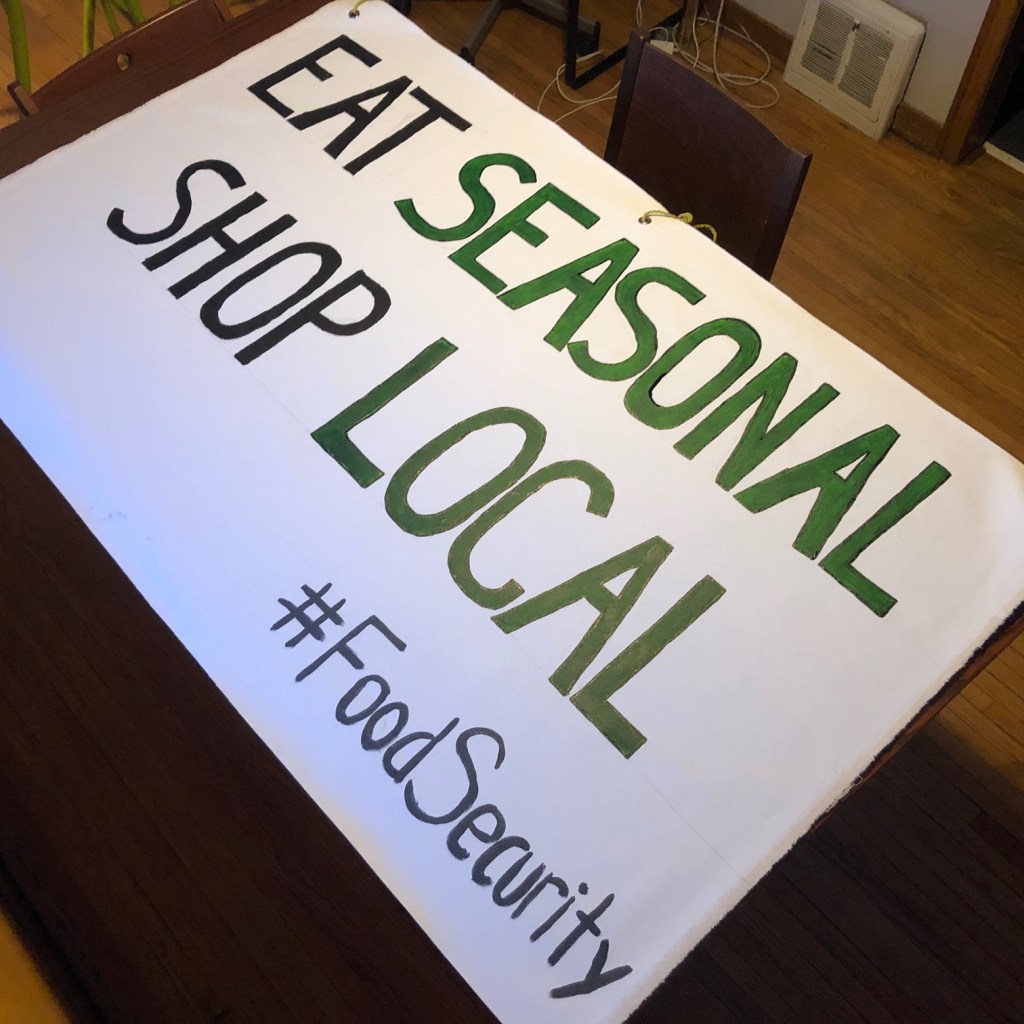
In our community, more and more people are choosing to buy local foods through farmers’ markets, farm gate stands, restaurants, and mainstream retail outlets. Edmonton’s emerging local food sector must continue to move towards producing food as close to home as possible.
A local food system is a collaborative network that integrates sustainable food production, processing, distribution, consumption, and waste management in order to enhance the health of a community.

The modern world makes it easier than ever to eat whatever we like, whenever we like. Craving strawberries in January? No problem. Want to whip up a batch of sweet potatoes or pumpkin spice muffins for a springtime snack? You got it.
But it wasn’t all that long ago that people ate according to the seasons. They knew what grew best in their backyard, when to harvest it, and how to store it properly to enjoy later. Eating seasonally can restore our relationship with local food sources, increase community resilience, and have a positive impact on the biosphere.
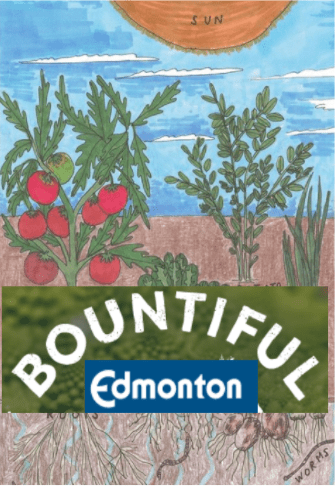
View or Download our zine BOUNTIFUL EDMONTON (2022) below.


Explore Further:
 REND
REND 
One Comment